

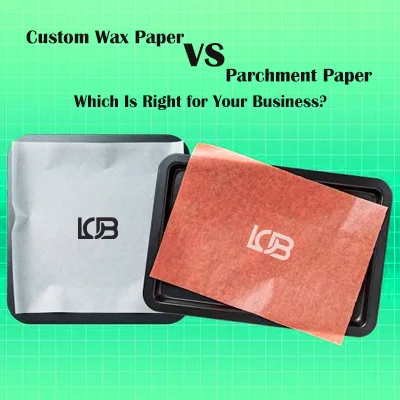
When choosing between wax paper and parchment paper, an easy yet crucial decision for businesses. Paper helps with both food handling and wrapping, and with each of food preparation they are effective for different tasks. The coating, heat resistance, water resistance, and cost may make a difference in determining which is the right one for your company. This guide will help you determine the type of specialized paper that is suitable for packaging your food products, bakery goods, deli foods, and more.
What Is Wax Paper and How Does It Work?
Wax paper is a thin translucent paper that is covered with a thin layer of food-safe wax. The smoothness and nonstick effect result from the wax. It also helps provide a barrier to grease and to moisture during short term storage and handling of foods.
How Does Wax Paper Handle Grease and Moisture?
Wax offers very great protection from food grease or water. It is great for cold foods, sandwich/revolving fast food, burgers, candies and to keep from and/or from over heat foods during baking. It also helps to avoid food sticking to packaging material.
Custom wax paper can make this possible for businesses and establishments that need colors (or other brand elements) as part of their logo to appear on a cold foods tray and remain functional 24 hours a day.
What Foods Work Best With Wax Paper?
For foods that don’t need direct heat in the oven, such as sandwiches, cookies, candy, chocolate, cheese, and more, use wax paper, also a great food divider.
In businesses where cleanliness is of critical importance and grease resistance is required, and a low-cost wrapping material is desired, Wax paper can be used. When cooking food, using wax paper will also assist in minimizing clean-up.
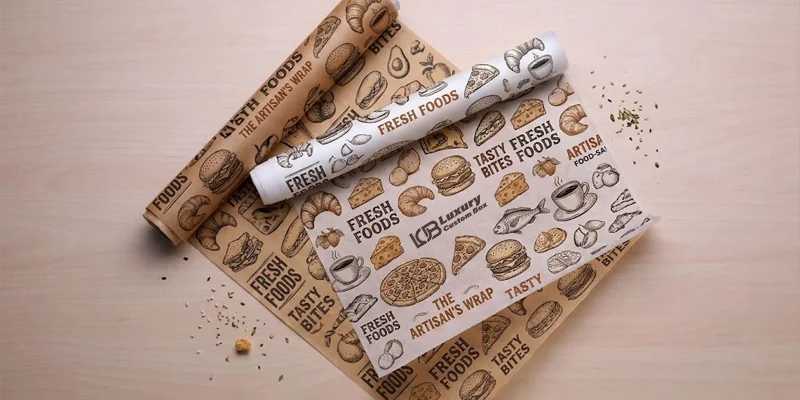
What Is Parchment Paper and Why Does It Resist Heat?
Parchment Paper is a paper that is resistant to burning. Many commercial parchment goods have a silicone food coating for easier food release.
Why Does Parchment Paper Work Better for Baking?
The parchment paper will take oven heat better compared to wax paper. For instance, Reynolds says up to 425°F will work for its own parchment paper, and recommends avoiding direct exposure to the oven for its wax paper.
For cookies, pastries, roasted vegetables, sheet pan meals, and other uses in the oven, parchment paper is great. Always follow their product temperature limitation.
What Makes Parchment Paper Non-Stick?
The smooth finish helps to separate the food items from a tray or pan. Another aspect of this feature is to take out the cleanup after baking and cooking.
For printing food wrap and displaying a brand, businesses can opt for Custom Butter Paper. The ideal butter paper packaging for food service, takeaway, or other varieties of food packaging are available to be utilized by businesses.
Which Paper Works Better? Key Differences at a Glance
Wax paper and parchment paper are virtually the same, but vastly different in strength. You can get a quick comparison for/cross some of the common applications in business in the table below.
| Feature | Wax Paper | Parchment Paper |
| Main coating | Food-grade wax | Food-safe silicone or parchment coating |
| Heat resistance | Low for direct oven heat | High; product limits vary |
| Grease resistance | Strong | Strong |
| Non-stick performance | Good | Excellent for baking |
| Sandwich wrapping | Excellent | Good |
| Baking | Not for direct oven exposure | Excellent |
| Candy and chocolate | Excellent | Excellent |
| Cost | Often lower | Often higher |
| Best use | Cold food wrapping | Baking and oven cooking |
A fundamental distinction is captured in current product guidance: you can use wax paper for taking product out of the refrigerator or freezer, but you can use parchment for baking or oven use.
How Do Wax Paper and Parchment Paper Compare in Cost?
The cost to the user varies according to paper weight, coating, sheet size, printing, order size, and supplier. For high-volume wrapping, wax paper might be a more affordable substitute.
When Does Wax Paper Offer Better Value?
For those businesses whose primary products are wrapped sandwiches, candy, bakery orders, or other chilled foods wrapped items, wax paper may prove to be a viable product. In addition, it may decrease the demand for costly paper where a high degree of resistance to heat is not required.
A restaurant or food brand can also use Custom Deli Paper for presentation of wrapping, baskets, trays, or take-out items. This will depend on the type of food, packaging process, and properties to be desired.
When Should You Choose Wax Paper?
When you don’t require your food to be directly cooked in the oven, but you need a wrapping material that isn’t going to get any grease on it, wax paper comes in handy. Ideal in the food service and take-out industry.
Why Choose Wax Paper for Sandwiches?
Wax paper will keep sandwiches from getting grease on them and can keep the sandwiches fresh for a short period of time during handling. It also allows restaurants to comfortably package sandwiches without having to use an excessive amount of packaging material.
When Does Wax Paper Suit Candy and Cold Foods?
Chocolate, candies, cheese, and chocolate cookies are cold foods that complement the use of wax paper. It is easier to stick and wrap a single layer on the smooth surface. The wax paper is laid on Custom Bonbon Boxes then the chocolates are placed.
For baking or other functions requiring high heat resistance, Businesses can also utilize Custom Parchment Paper when they need to get their parchment paper personalized with a brand. Businesses can print for printing logo to the paper, printing colors and product messages directly to the paper.
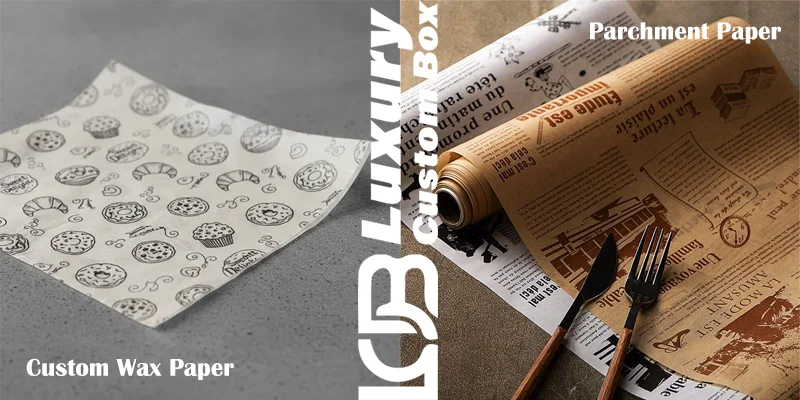
When Should You Choose Parchment Paper?
Parchment paper is the best option when a lot of heat is required during food preparation. It is ideal for use in ovens, on baking trays, for roasting, and other uses where it is desired to have a non-stick surface.
Why Choose Parchment Paper for Baking?
To take baked goods like cookies, pastry, bread, etc. off trays using parchment paper. It also helps in being eaten by preventing the food from sticking, and it helps with cleaning up the food.
How Does Parchment Paper Help With Roasting?
You can use parchment paper in the oven on foods such as roasted vegetables and other foods suitable for oven use in the temperature range recommended by the manufacturer by any business. Stay away from direct fire and heat.
Can Custom Branding Work for Both Papers?
Yes, logos, brand names, colors, patterns, and more can be printed on appropriate food-grade paper. There are various printing options according to the paper, coating, artwork, and printing method.
What Affects Print Quality?
All the paper being used, its coating, the ink being used, and the manner of printing will play a role in defining the final print. The smoother the surface, the more pronounced the sharp graphics will be, and the coating will affect the way the ink grips and will look on the products.
If a big order, students must request a sample or proof before ordering. This is for them to check and observe the paper print, color, and clarity of the logo.
Which Paper Should Your Business Choose?
Begin by stating the primary purpose you plan to have your paper perform. Wax paper is more likely to have a perfect fit if it needs to use it as a wrapping for cold food, wax resistance and is easier to handle. Use parchment paper if you are in need of oven use and strong non-stick.
How Should You Consider Your Food Type?
Consider how or if your food is being brought to a heat source such as the oven. Many times, delis or sandwich shops, candy shops, and take-out restaurants will prefer using wax paper for a lot of their wrapping projects.
Parchment paper is used to prepare foods in the baking/roasting steps for food manufacturers, caterers, and pastry shops/bakers. Please always use paper with heat as directed in the manufacturer’s instructions.
How Do Volume and Budget Affect the Choice?
For high-volume printers, you need to look into the roll size, sheet numbers, paper weight, cost of print, and minimum order volumes. Buying thousands of sheets per month could affect the coupons you’re given.
Businesses may also have the need to have printed wrapping for regular service, which Custom Butter Paper can provide and make available as “food packaging” with branded packaging. Know and understand the specifications and print options of materials before you select a supplier.
Closing Thoughts
There is no single “winner” when it comes to wax paper versus parchment paper. Use wax paper for many cold, greasy, and non-heated foods, and parchment paper for baked or roasted foods, as well as for use in the oven.
Depending on your food, your exposure to heat, and your pack size, whether you are shopping for your budget or looking to brand your product, the best choice is dependent on these variables. When ordering these point out some of the factors before you get one that supports anything other than food handling and the customer’s presentation. Choose Luxury Custom Box for a memorable experience!