

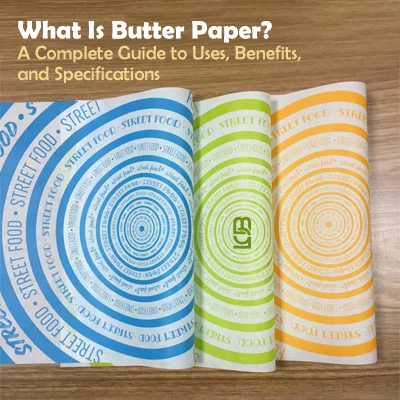
There are people who use thin, translucent paper as wrapping paper and baking paper. It is called butter paper. It is also grease-resistant to minimize and prevent the presence of oily stains when working with food. Butter paper is used to wrap sandwiches, pastries, cookies, and other food in bakeries, cafes, sweet shops, and takeout joints. There are also a few varieties that will withstand oven toasting, but it’s always best to refer to the manufacturer’s guidelines prior to using them for baking.
Also, a variety of weights, sizes, and finishes are available for any butter paper use. Businesses can also opt for print versions for displaying their logos, brand colors, or even their designs. It’s important to know what it can be used for, its benefits, its GSM, its dimensions, and its food-grade requirements in order to choose the right paper. This guide will provide an explanation of these key specifications and how to select appropriate butter paper for personal or commercial requirements.
What Is Butter Paper Made Of?
Usually, paper pulp is used for butter paper, which has been processed and treated to make it more grease-resistant. Certain varieties are provided with special coating or treatment to reduce oil penetration. Properties of the paper vary according to the paper’s grade and manufacturing.
Its name is derived from the way it has traditionally been wrapped with the butter. Today, besides the utilization it has for butter, there are numerous other food and packaging uses for butter paper.
What Are The Common Applications of Butter Paper?
Butter paper can be used in a variety of ways in the kitchen, bakeries, retail food establishments, and craft activities. The right grade is contingent on the product, temperature, and level of contact with the grease.
How Is Butter Paper Used in Baking?
Bakers use appropriate backing paper to line the cake tins and trays for cakes and to prevent sticking of dough in the tin during the baking process. But regular butter paper might not be able to handle the high heat of the oven. Use the manufacturer’s recommended baking paper.
The next table lists some typical applications and the paper characteristics that are suitable for them. These tips can assist home bakers and commercial kitchens in choosing the correct material.
| Baking task | Recommended paper feature | Main benefit |
| Lining cake tins | Oven-safe parchment | Helps release cakes |
| Baking cookies | Heat-resistant baking paper | Reduces sticking |
| Handling dough | Food-grade, non-stick paper | Makes preparation easier |
| Separating baked goods | Grease-resistant paper | Helps prevent sticking |
Reasons to Use Butter Paper For Food Wrapping
Cover butter, breads/sandwiches, pastries, and sweets with butter paper. Protects food from exposure to the outside by creating a barrier. Moreover, there are grease-resistant varieties that are suitable in order to decrease the probability of bags and boxes getting oily marks.
Food packaging paired with paper wrapping can be used to assist proper handling and product presentation in businesses. Then, businesses can consult Custom Butter Paper for further options, such as varieties of paper used for various types of products and packages.
Why Do Bakeries and Takeaway Businesses Use Butter Paper?
Butter paper is used for wrapping items and also used to line food boxes at bakeries, cafes, sweet shops, or takeaway shops. The paper can help to separate the products, collect grease, and help with serving.
For example, at the bakery, each cookie could be wrapped, while the bread at the sandwich shop may be put in a takeaway container. Paper should be used for food packaging based on the storage requirements for food or product.
What Are the Non-Food Uses of Butter Paper?
Tracing, drawing, crafts, and gift wrapping, as well as decoration with butter paper or other translucent papers, can also be achieved with them. They are lightweight and are easy to fold and cut.
Businesses should always keep craft paper away from food. They should not be used directly for food contact until after the supplier has confirmed it is suitable for this use, however.
What Are the Advantages of Butter Paper?
There are multiple useful applications of butter paper in the household and business. It is dependent on the grade of paper, surface treatment, and use.
| Benefit | How it helps |
| Grease resistance | Helps limit oil stains and greasy marks |
| Moisture management | Helps manage surface moisture, depending on the grade |
| Non-stick surface | Supports easier food release when the paper suits the task |
| Food safety | Suitable food-contact grades support hygienic handling |
| Lightweight design | Makes wrapping and packing easy |
| Affordable option | Supports everyday wrapping needs |
| Custom printing | Adds logos, brand colors, and patterns |
Butter paper will not, however, make an airtight or moisture barrier package. As far as the outside packaging is concerned, businesses should decide what to select if they call for using different materials that will provide the products with increased protection or storage life.
Which Butter Paper Specifications Should You Check?
Specifications have an impact on paper strength, handling, food safety, printing, and cost. Buyers should request a list of GSM, size, finish, and purpose before ordering.
What Does GSM Mean in Butter Paper?
GSM is the grams per square meter. Measures paper weight and aids purchasing in comparing paper grade. GSM is not indicative of heat suitability, strength, or grease resistance, however.
| GSM range | General use | What to consider |
| 25–30 GSM | Lightweight wrapping | Check suitability for light food wrapping |
| 30–40 GSM | Everyday food wrapping | Review grease resistance and paper strength |
| 40–50 GSM | Heavier wrapping needs | Compare flexibility and durability |
| Above 50 GSM | Specialized packaging needs | Confirm availability and application suitability |
This is a guideline of the ranges, and they are not the industry standards. Different grades may be supplied, and the oven must be checked as regards heat resistance.
Which Butter Paper Sizes Can You Choose?
Butter paper can also be sold in rolls or sheets. Sheets can be used for portion-based wrapping and for preparing food, while rolls can be used in businesses to cut paper to the desired length.
Besides, you can select the right size for it without losing too much material. Check the size of pastries, sweets, tray and sandwiches before ordering.
Butter Paper Size Options
| 4″ x 4″ | 5″ x 5″ | 6″ x 5″ | 6″ x 6″ |
| 7″ x 5″ | 7″ x 7″ | 8″ x 5″ | 8″ x 6″ |
| 8″ x 8″ | 8.5″ x 11″ | 9″ x 5″ | 9″ x 6″ |
| 9″ x 9″ | 10″ x 5″ | 10″ x 6″ | 10″ x 8″ |
| 10″ x 10″ | 10.75″ x 10″ | 12″ x 6″ | 12″ x 8″ |
| 12″ x 9″ | 12″ x 10″ | 12″ x 12″ | 13″ x 6″ |
| 13″ x 9″ | 13″ x 10″ | 13″ x 13″ | 14″ x 12″ |
| 15″ x 9″ | 15″ x 10.75″ | 15″ x 12″ | 15″ x 13″ |
| 16″ x 12″ | 17″ x 11″ | 18″ x 10″ | 18″ x 12″ |
| 18″ x 13″ | 20″ x 10″ | 20″ x 12″ | 20″ x 13″ |
| 20″ x 15″ | 20″ x 18″ | 20″ x 20″ | 20″ x 25″ |
Based on sizes offered by your supplier, enter preferred roll and sheet dimensions in this table:
What Is the Difference Between Plain and Printed Butter Paper?
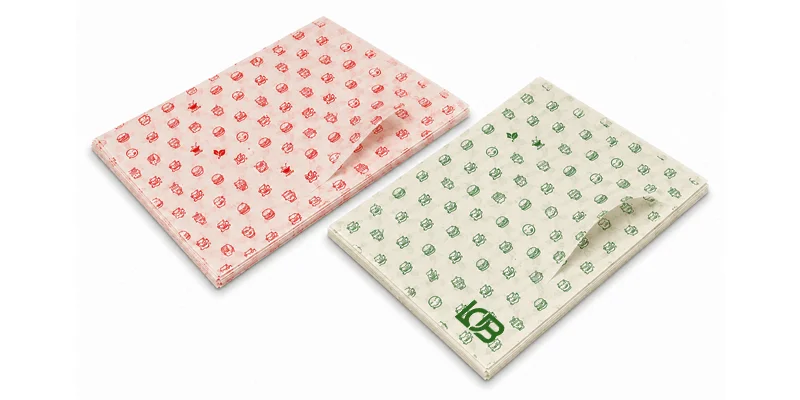
There’s plain and printed butter paper, and then there’s printed paper for businesses to showcase their branding. Various paper surface options, ink requirements, artwork type, and ordered quantity will influence the choice of printing.
| Feature | Plain butter paper | Printed butter paper |
| Appearance | Simple and unbranded | Displays logos and designs |
| Best for | General wrapping | Branded food packaging |
| Design options | Usually limited to paper appearance | Logos, brand colors, and patterns |
| Cost factors | Paper grade and quantity | Paper, printing, colors, and quantity |
For businesses seeking personalized wrapping, they could take into account the printing and design solutions offered.
How Can You Check Food-Grade Quality?
Select paper that is designed for that particular food contact purpose by the supplier. Request compliance and technical information as needed. Furthermore, make sure inks and coatings meet the requirements for food contact.
Not all “white” or “transparent” paper is suitable for food. The material should be suitable for the type, temperature, and contact with food. Receiving companies need to observe the supplier’s storage and handling guidelines also.
How Do You Choose the Right Butter Paper?
There are so many different types of paper that vary greatly in their ability to wrap with ease and finish, and depending on the quantity, which paper is superior will differ. To order, consider the following factors.
How Should You Match Paper to Your Product?
Sometimes it will be necessary to use a different paper with the light pastries and dry foods to avoid smearing the paper with grease, as one would get from butter with the sandwiches. Select a Fiberglass that offers the required grease resistance and strength.
There are two things to keep in mind when selecting takeaway packaging: the control of grease and packing to serving time.
Which Size and Quantity Should You Order?
Take measurements of products and packaging before ordering. Do not use the same die for every item; use the roll for different-size items.
Sample testing can be a great way to examine paper quality before trying to place a large order if you are a busy bakery working on bulk orders. You need to take into account the cost per sheet or cost per use instead of the total order cost.
Should You Choose Plain or Printed Paper?
Regular paper clothes are good for simple wrapping and cooking. When you want your bakery/cafe/sweet shop advertised to your customers, then printed paper is a great option.
Please make sure that logos are always in a visible position and that the printed nature of the material is suitable for handling food. Confirm artwork, color, paper grade, and size before authorizing prints.
How Can Custom Butter Paper Help Food Businesses?
From current cake recipes and baking to selling sweets, any coffee shop, or even being able to come up with something to go, you can simply add your brand to the butter paper. Brand colours/ logos can be printed, and businesses can ask for the appropriate size of the sheet.
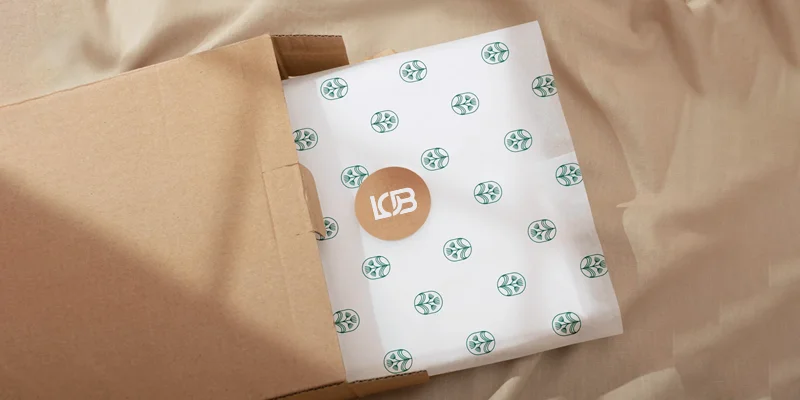
A bakery, for instance, can even print a personalized paper wrapper for their cookies, or a sandwich store could put the printed paper between counters in sandwich bags. Regular packaging enables customers to spot the business and offers a neat look. Butter Paper Sheets also come in handy for businesses that need easy access to pre-cut paper for wrapping and/or service purposes.
The color, however, is not important when choosing a paper. Select an appropriate grade first before determining the look of your printed product, size, and food approval. When the wrapping properties are those of a product and the placement of the wrapping, other than the food industry, can be satisfied by the grease-resistant nature of Custom Wax Paper, then it may be a suitable alternative.
What Should You Remember Before Buying Butter Paper?
Butter paper is also useful for wrapping all the food and many baked goods, and even for packaging actual products. It provides all these benefits for businesses. It resists grease, is lightweight to handle, and it can be printed on. In addition, there is a need to educate consumers that not all grades are ready-to-eat or ready-to-use for all foods.
Make sure to read the product specifications such as the packing, printing, food contact proof, sheets, gsm, grease resistance, etc before ordering. These details will help you choose paper that is suitable for your needs but, at the same time, is not a drain on your financial resources.
For companies looking at packaged solutions, Luxury Custom Box offers details related to various packaging solutions and is the best choice for soap box purchases. Select butter paper based on the specific food and packaging needs and compare supplier specifications prior to selection.